|
|
|
On Tuesday, BIO 2026 attendees explored what it will take to maintain America's innovation edge, while a new industry report offered fresh evidence that capital is returning to the sector and emerging biotechs remain the industry's innovation engine. Plus, leadership advice from Gary Sinise and Marcus Freeman. (675 words, 3 minutes, 15 seconds) |
|
|
|
How does America maintain its biotech edge? |
|
|
|
Day 1 of BIO 2026 focused on technologies and partnerships driving the next generation of innovation. On Day 2, leaders from industry, academia, and government turned to a different question: what kind of ecosystem is needed to make those breakthroughs possible?
The situation: As the biotech industry celebrates its 50th anniversary, leaders are asking how the U.S. can maintain the innovation ecosystem that made it the global leader in biotechnology for the next generation.
“What are the next 50 years going to be?” asked Fritz Bittenbender, Senior Vice President of Public Affairs and Access at Genentech and Chair of BIO. “What are the new treatments? What are the new modalities? And how can government be thinking about that?”
Why it matters: America's biotech leadership was built on a combination of federal research funding, world-class universities, venture capital, and industry partnerships. Maintaining that advantage will become increasingly important as global competition intensifies.
“The world has changed dramatically,” said Andrew Lam, PharmD, Managing Director and Head of Biotech Private Equity at the Ally Bridge Group. “The velocity of innovation is only as solid as the protection mechanisms and investment we put into it.”
Read more on Bio.News.
|
|
|
|
3 things we learned from BIO’s new report on emerging biotechs |
|
|
Biotech is making bigger bets on fewer drugs. The new State of Emerging Biotechs report, released by BIO and Norstella on Tuesday, finds capital is returning to the sector as companies prioritize later-stage programs and clinical validation. 1. Capital is back. In 2025, VC investment reached its highest point since the COVID pandemic at $23B, a 23% increase over the previous year.
2. Companies are prioritizing later-stage drugs. Preclinical programs fell 14%, while Phase II and Phase III programs grew roughly 9%.
3. Emerging biotechs remain the innovation engine. New companies account for 41 of 58 FDA novel drug approvals in 2025 and are now developing 72% of the U.S. clinical pipeline.
The bottom line: “There is a lot of traction in the landscape for small emerging companies,” said Chad Wessel, Senior Director, Emerging Companies Special Initiatives at BIO. “So long as they have good science and they’re able to progress.”
Read more on Bio.News. |
|
|
|
Gary Sinise, Marcus Freeman share lessons in resilience |
|
|
|
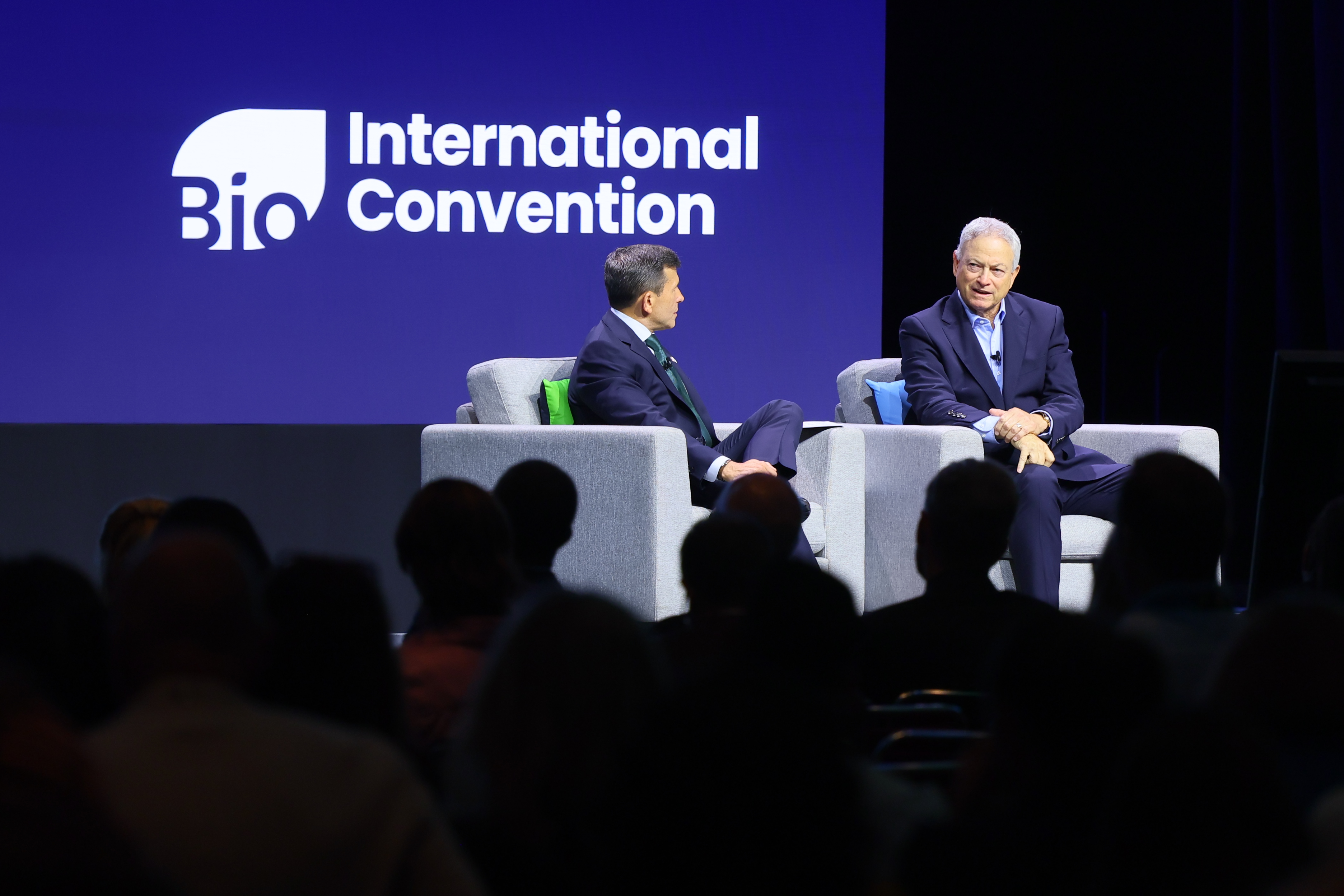
Actor and philanthropist Gary Sinise, Notre Dame head football coach Marcus Freeman, and BIO President and CEO John F. Crowley took the main stage Tuesday to discuss leadership, adversity, and the importance of serving others.
Why it matters: For an industry that tackles the world's toughest scientific and medical challenges, the speakers offered a meaningful message that progress often comes through setbacks, not despite them.
“The greatest lessons come from failure, because those are inside lessons,” said Freeman – more advice that’s directly applicable to the biotech industry. (He talked more about the parallels between biotech and football in an exclusive interview here.)
|
|
|
|
A personal story: “The spine surgeon put him in the CT scanner and saw an orange-sized tumor on his sacrum. And that changed—that changed everything,” said Sinise, telling the story of his son’s diagnosis and ultimate death from chordoma, a rare cancer that affects roughly 300 Americans each year. “I think we all learn things from each other when we watch how somebody can meet challenges and adapt and then overcome.” (He discussed what drives him in an exclusive interview here.)
What’s next: “And soon it will be time, and each of us in this room at this convention, after a few days, to go back to our labs and offices and to try to do it even better and faster, because time itself is so very precious,” said Crowley.
Read more on Bio.News.
|
|
|
|
|
What drives you?
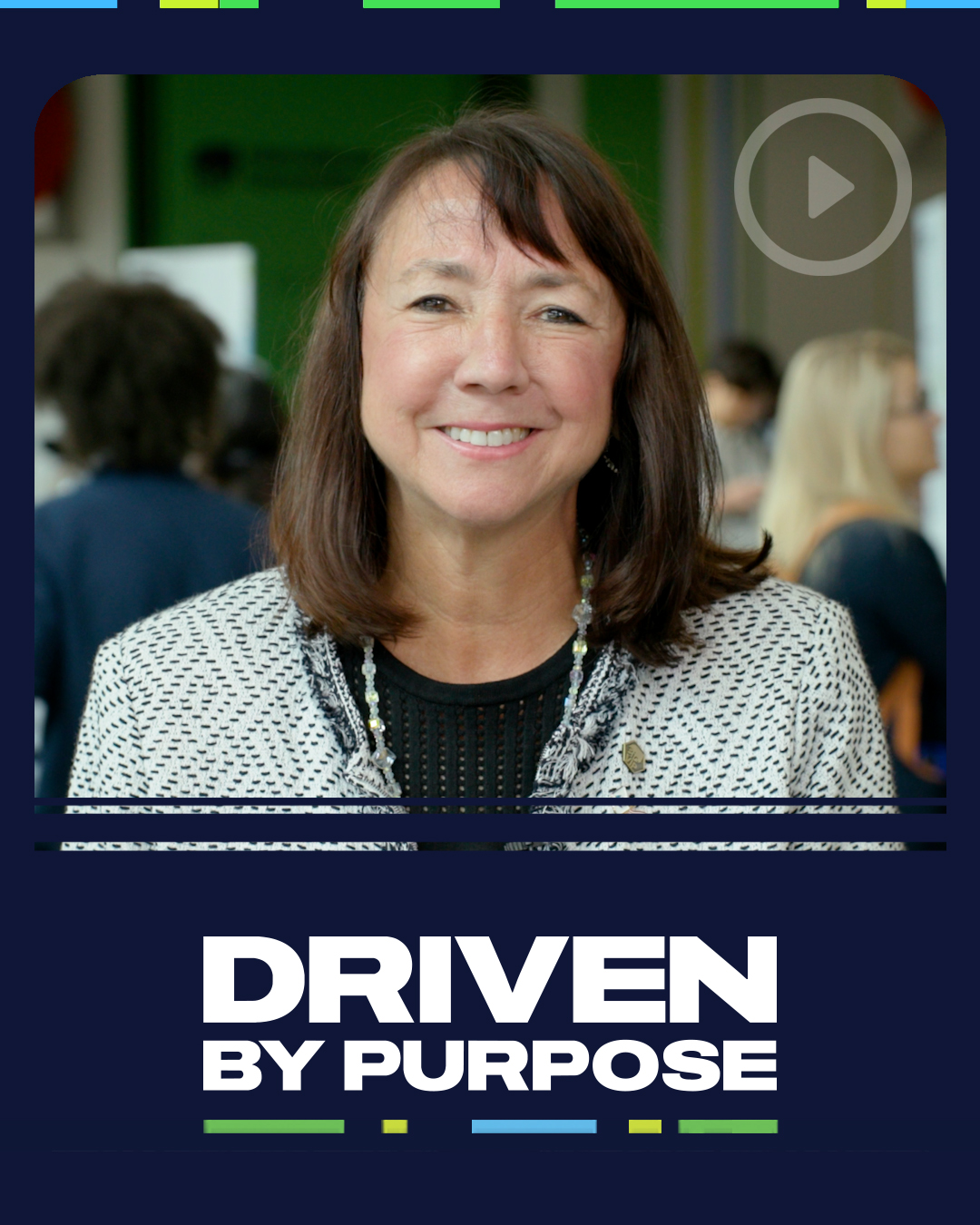
| “I am driven by patient impact and the chance to eradicate diseases and provide cures, and it’s happening today.”
- Cindy Perettie, Executive Vice President at Kite Pharma
| |
|
|
|---|
|
|
|
|
|
|