|
|
|
As BIO 2026 comes to a close, we look ahead to biotech's sixth decade. Pioneering patients remind us why innovation matters, and experts outline what will shape biotech's next decade, and leaders warn that protecting intellectual property remains essential to American biotech leadership. (882 words, 4 minutes, 25 seconds)
|
|
|
|
Biotech threatened by pressures on patent protection
|
|
|
|
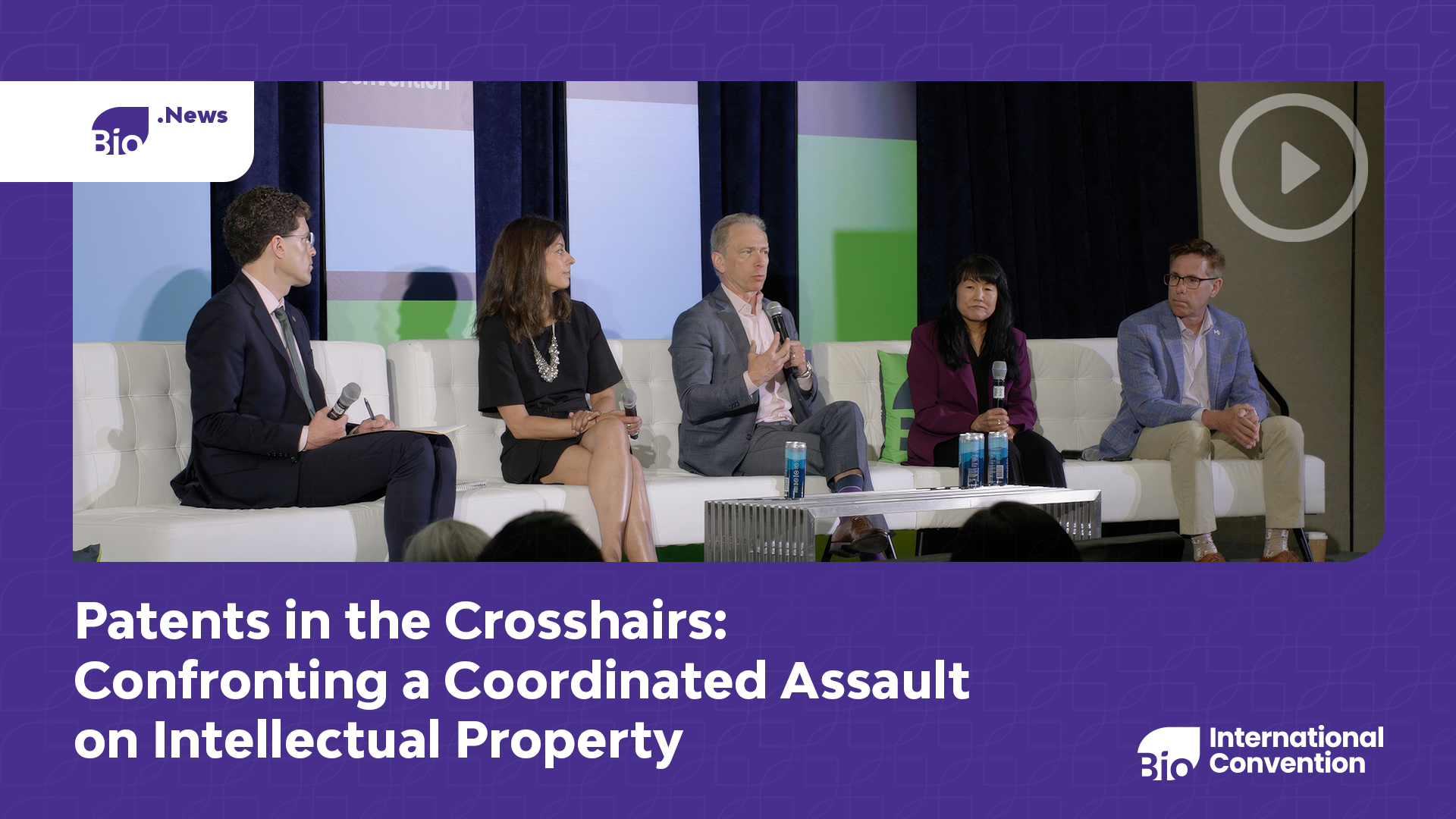
At a time when U.S. biotech leadership is being challenged, the patent system that enables life-saving innovations is beset by a toxic stew of challenges, said experts on the fourth and final day of BIO 2026. Why it matters: “Patent law is very complicated, yet fundamental to the biotech industry,” said Joe Franklin, BIO Chief Legal and Policy Officer. The threats include campaigns pushing myths about patents, pressures to change the patent system due to the quickly evolving nature of digital technology, and political will on both sides of the aisle to chip away at IP protections in a misguided attempt to impact drug prices. The threats from legislation to weaken IP include proposals to address “patent thickets,” “product hopping,” and “pay for delay,” and to empower generics with new “skinny labeling” laws. The reality: Weakening patents won’t lower prices. Stronger patents increase competitiveness, and prices are impacted by pharmacy benefit managers and the 340B program, panelists said. What they’re saying: “It is an extremely concerning moment for IP, in particular for the biopharma industry, but in general for innovators in the United States,” according to Andrei Iancu, a former director of the U.S. Patent and Trademark Office (USPTO) and partner at Sullivan & Cromwell LLP.
Read more on Bio.News.
|
|
|
|
‘I am alive because of biotech’ |
|
|
|
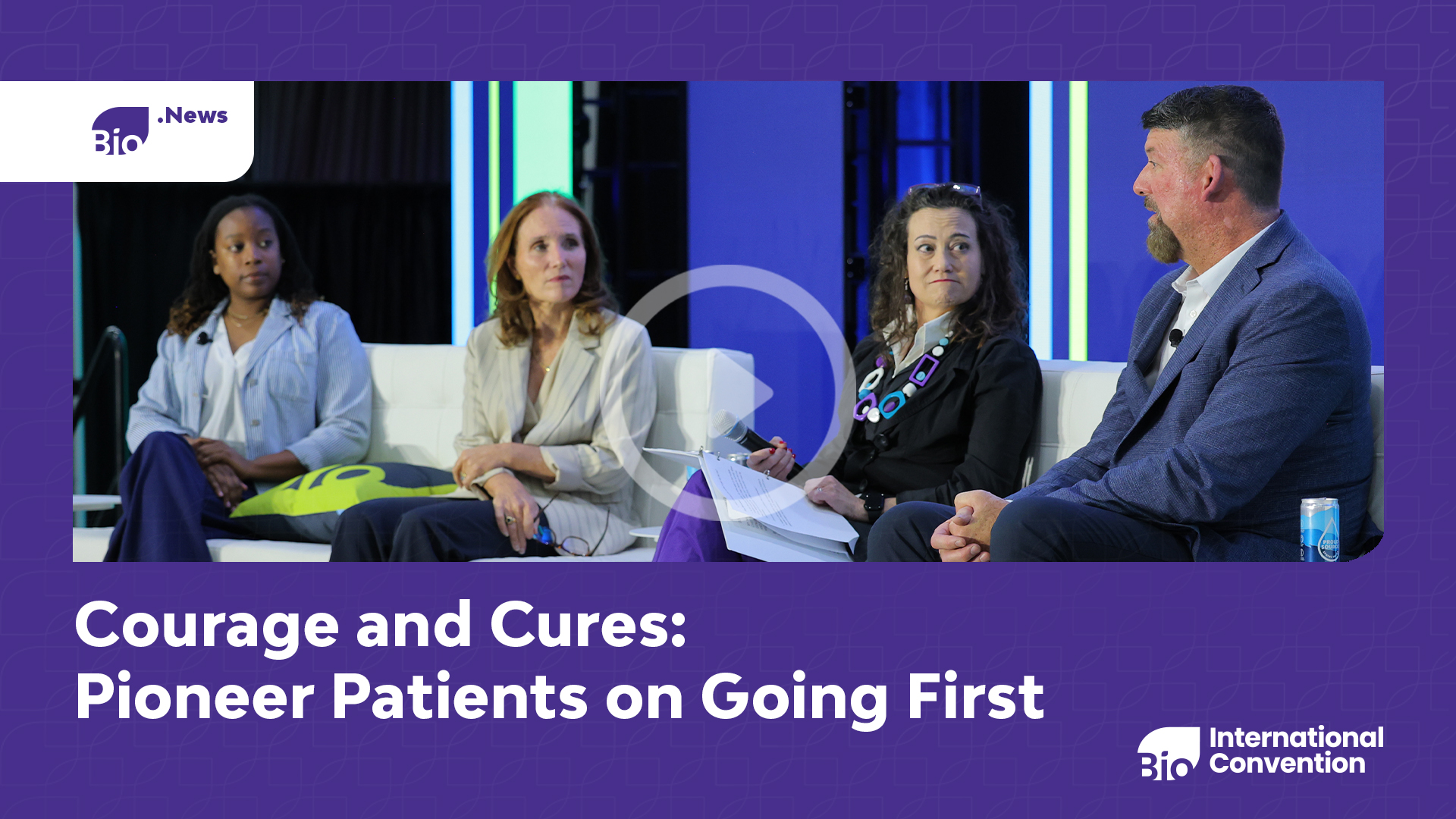
Three pioneering patients reminded attendees at the 2026 BIO International Convention that every breakthrough begins with someone willing to go first – and that innovation isn't finished until more patients can benefit. The key message: "If we don’t keep pushing, if we don’t keep building on these experiments, we won’t ever get to that big breakthrough where a cure is possible, where it’s affordable, where it’s accessible,” said Marci McCue, the first patient to receive CAR-T therapy for multiple sclerosis in a clinical trial.
Why it matters: “The work happening in biotech today isn’t just about what’s next in science; it’s about what’s next for people, it’s about opening doors, expanding limits, and giving people a chance to chase goals they often hadn’t thought possible,” said INDY NXT driver James Roe, who has raced at the top of motorsport while managing type 2 asthma since childhood.
“I am alive today because of biotech,” said Jennelle Stephenson, who has gone more than eight years without a sickle cell crisis after receiving a gene therapy.
“I didn’t realize the impact it would have on so many others. But I’m very glad that it did,” said Tom Whitehead, whose daughter Emily became the world’s first pediatric CAR-T patient for leukemia. Just 23 days after treatment, she was cancer-free.
The big picture: “I challenge you to continue to innovate your purpose,” said Roe. “Think about the person on the other side of every breakthrough, every trial, and every decision. Someone’s life can be completely transformed by your work.” Read more at Bio.News. Learn more about BIO’s Fight of Our Lives campaign. |
|
|
|
6 takeaways as we begin biotech’s 6th decade |
|
|
After discussing 50 years of biotech innovation over the course of the week, the closing plenary brought together experts across the industry to discuss what’s shaping the sixth decade. Here are six takeaways.
1. AI is becoming a core capability across biotech.
AI is being integrated across drug discovery, clinical trials, investment, and regulatory review. Liz Schwarzbach, Ph.D., Chief Business Officer at BigHat Biosciences, discussed the shift toward building proprietary AI models and datasets, while Jim Healy, M.D., Ph.D., Managing Partner at Sofinnova Investments, said AI is now a factor in evaluating portfolio companies.
2. The challenge is how to embed AI into the drug discovery process.
Panelists cautioned against viewing AI as a standalone solution, however. Schwarzbach noted that the focus is shifting toward embedding AI directly into drug discovery by generating high-quality training datasets and developing proprietary tools.
3. Faster innovation requires modern drug development pathways.
Panelists discussed ways to shorten the path to clinical data. Kinnari Patel, Pharm.D., MBA, founding CEO of the RTW Institute, pointed to approaches used in countries like China and Australia that run parts of the clinical trial process in parallel. 4. Expanding patient access is as important as scientific breakthroughs.
Rachel Haurwitz, Ph.D., President & CEO of Caribou Biosciences, emphasized that access – not efficacy – is the bottleneck for many patients receiving advanced therapies. She pointed to off-the-shelf cell therapies as one approach that could bring treatment into more communities rather than requiring patients to travel to specialized centers.
5. Risk appetite is returning, though funding challenges remain.
Funding conditions are improving, particularly for early-stage biotech, though gaps remain. Jonathan Norris, Managing Director at HSBC Innovation, said venture investors are becoming more willing to fund early-stage companies, but emphasized that healthy M&A and IPO markets remain critical to sustaining innovation.
6. The next decade of biotech will depend on partnerships.
Whether between industry, investors, regulators, or government, panelists repeatedly emphasized that collaboration will determine how quickly new innovations reach patients. Speakers described co-developing AI methods, harmonizing global development practices, and strengthening partnerships across the biotech ecosystem as essential to the industry’s next phase. |
|
|
|
|
What drives you?
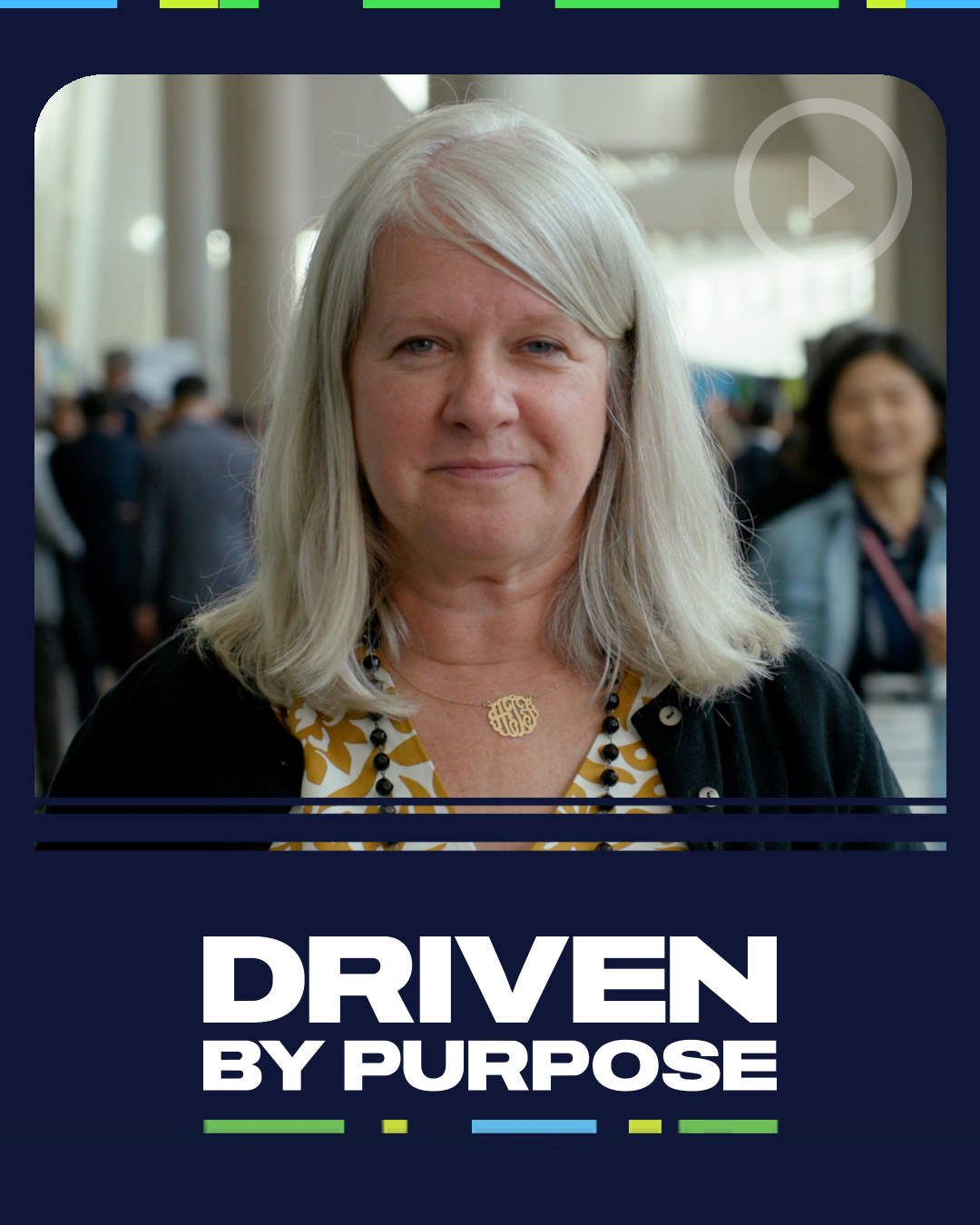
| “I’m driven by the promise of the life science industry – and also making people better while creating good jobs for our country at the same time.”
– Abby Trotter, Executive Director of Life Science Tennessee
| |
|
|
|---|
|
|
|
|
|
|