|
|
|
BIO's PACE draws record number of patient advocates. Plus: Proposed COINS Act rule adds to biotech regulation. (1,020 words, 4 minutes, 5 seconds) |
|
|
|
PACE: BIO convenes record number of patient advocates to focus on access |
|
|
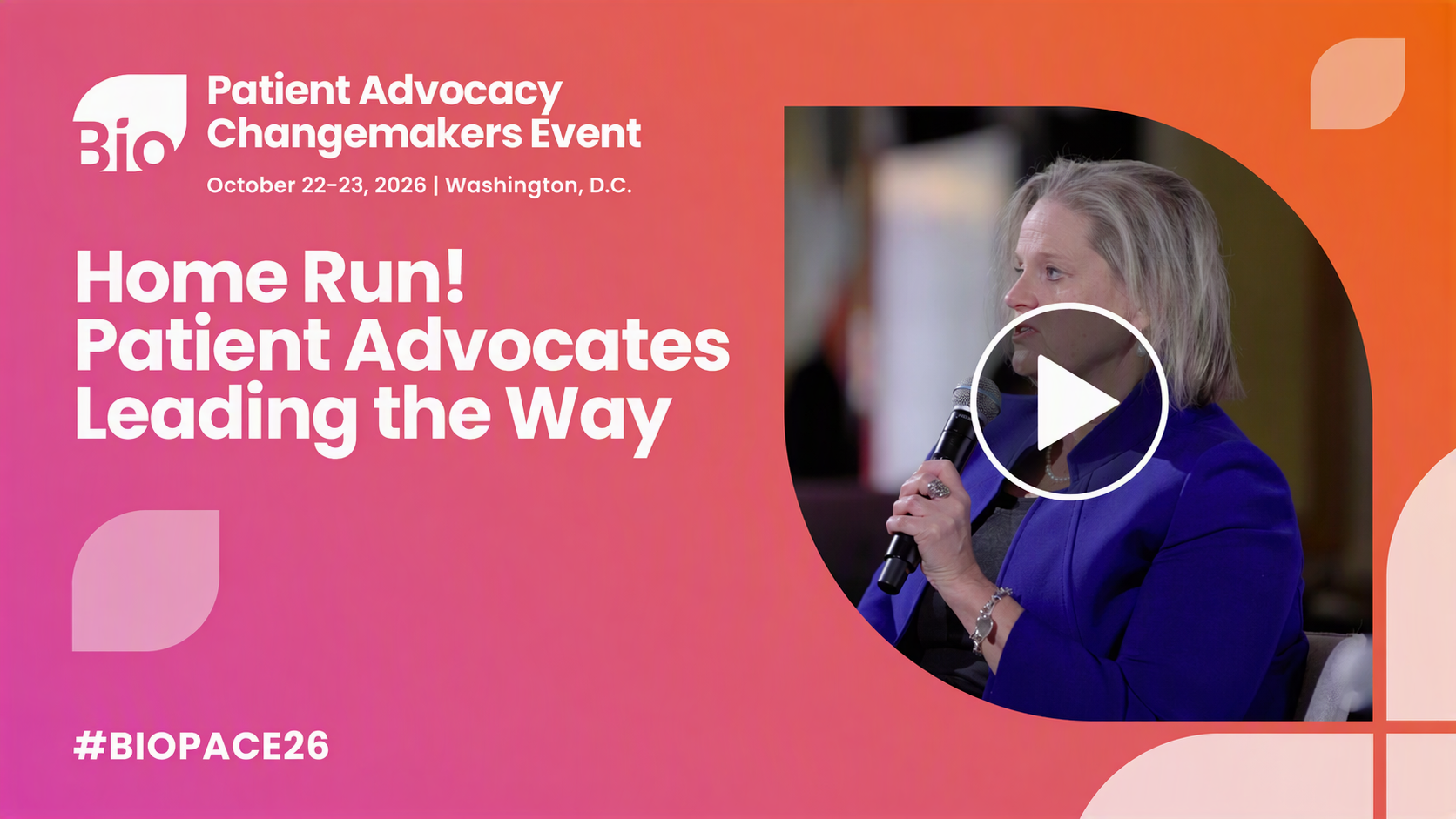
A record crowd of 450 learned of the power of working together for greater access at BIO’s 15th annual Patient Advocacy Changemakers Event (PACE) in Washington DC last week.
Why it matters: PACE is an unparalleled opportunity for patient advocates to build community, connect with researchers, government policymakers, and industry leaders, and discuss issues impacting patient access, affordability, and innovation.
Access and policy received a special focus this year with compact expert panels covering access barriers and policy solutions. “Now is the time to prepare for the next congressional session and bringing your voice to the Hill,” explained Michele Oshman, BIO Chief Patient Advocate.
Strength through collaboration was a constant theme as patient advocates networked and planned cooperation and speakers discussed common challenges and strategies:
- “The secret sauce for all of us has been in the collaborations that we form,” Annie Kennedy of the RARE Foundation told a panel discussing 2026 patient wins. “The strength has been in the coming together and understanding where the opportunities are.”
- “You don’t need to do it yourself. Everybody has strengths,” Jennifer Snow of Apteka told a panel focused on the Inflation Reduction Act. For instance one group can write a comment letter and other groups can sign on. “We could be one voice.”
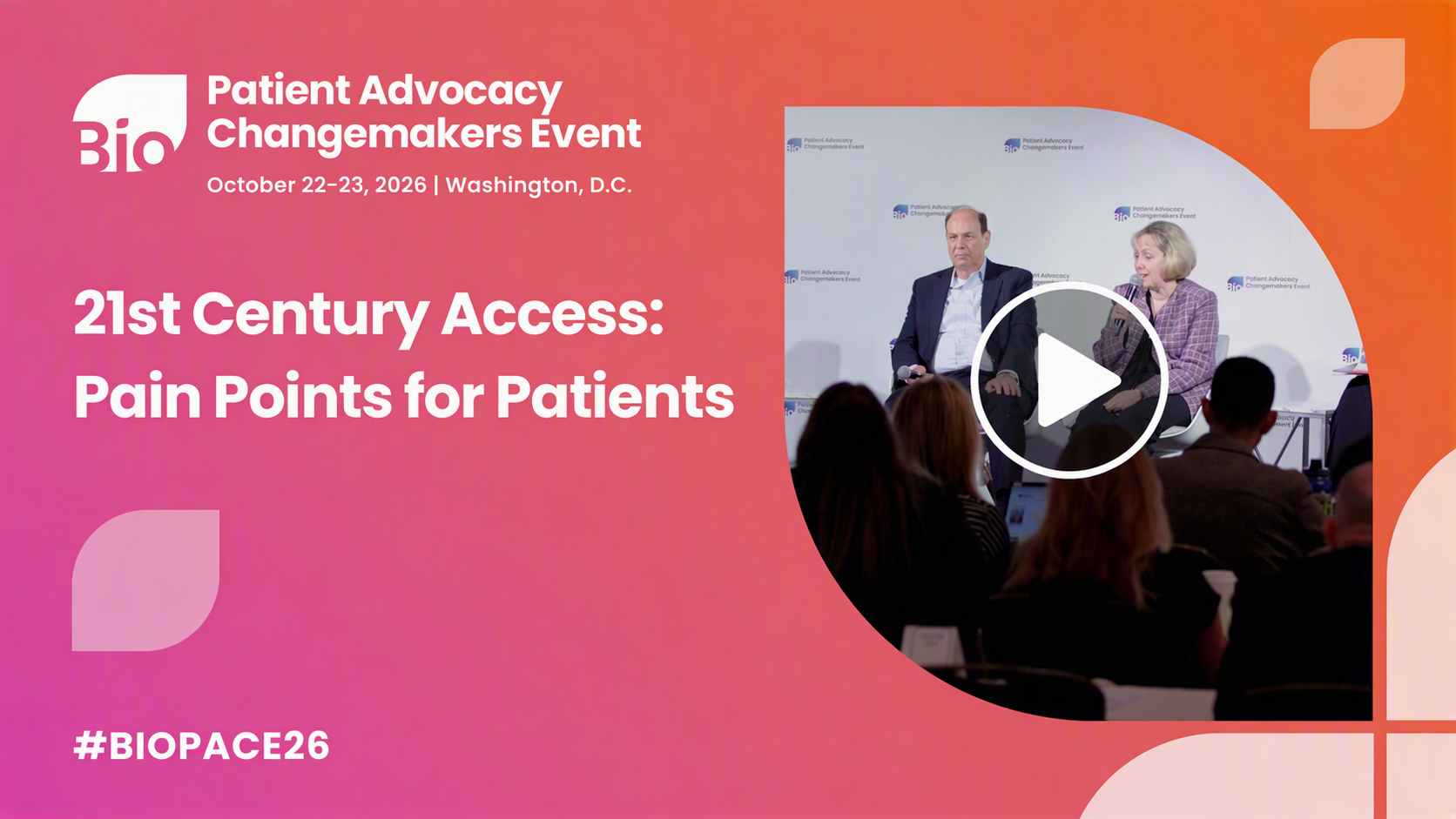
- “It’s not just the patients. It’s not just the caregivers, our families. It’s not just the providers. It’s members of Congress. Everyone is experiencing this prioritization or step therapy,” Carl Schmid of the HIV+Hepatitis Policy Institute told a “Pain Points” panel.
- “I decided to start sharing awareness about what happened with me,” said Katy Grainger of Sepsis Alliance, who gave a “Fight of Our Lives” session. “It’s really gotten out into the world and grown into this beautiful thing.”
- “We all share a responsibility to make sure that scientific progress translates into better care for patients,” Lenja Wiehe of Alexion Pharmaceuticals told a panel on using clinical guidelines.
Read more on Bio.News.
|
|
|
|
|
|
|
|
|
BIO urges caution in proposed rules on foreign transactions involving biotech |
|
|
“We cannot restrict our way to success,” BIO warned after the Treasury Department announced plans to regulate biotech transactions under the Comprehensive Outbound Investment Security (COINS) Act.
Proposed rulemaking for implementing the new COINS Act, released Oct. 22, would include biotechnology among technologies for which foreign transactions will be regulated by the Outbound Investment Security Program (OISP).
Why it matters: “We need policies and initiatives that maintain and advance our global leadership in biotech, particularly as we compete with China. The details of the proposed Treasury Department rules matter,” said a statement from BIO President & CEO John F. Crowley.
BIO urges caution: “As Treasury considers comments on the proposed rule, we need to ensure that we do not have an overly broad approach that would create uncertainty for innovators and investors, and that may unintentionally risk weakening U.S. biotech competitiveness,” the statement said.
What’s next: The Treasury Department was to post a Notice of Proposed Rulemaking and set a comment period at https://www.regulations.gov. Following comments, Treasury would set final implementing regulations. Read more here.
“BIO is committed to continue working with policymakers, to safeguard our national security, and ensuring that America remains the world's leading engine of biomedical innovation and scientific discovery,” Crowley said.
Read BIO’s statement. |
|
|
|
|
Study: Proposed shared decision making on the hepatitis B virus (HBV) vaccine would increase childhood HBV infections 83%. The study used computer modelling to project what would happen to a group of 3.6 million babies born in the U.S. in 2026 over the next 20 years under proposed changes in vaccine recommendations. It concluded: “Proposed policy changes for vaccination through shared decision making are projected to result in an 83% increase in childhood HBV infections, and between 50% and 70% of children entering adulthood annually would be susceptible to HBV infection. Policymakers should reimplement recommendations for universal birth-dose vaccination.” Read more here.
President Trump signs Executive Order on women’s health on Oct. 19. The order creates a White House Women’s Health Task Force to ensure a comprehensive approach to women’s health at all stages of their life through policy and regulatory reform. It directs the Secretary of Health and Human Services and the Director of the National Institutes of Health (NIH) to establish a Women’s Health Division within the NIH “to strengthen the Federal Government’s ability to coordinate research, address gaps in scientific understanding, and accelerate the translation of discoveries into better health outcomes.” It rescinds initiatives by the previous Administration “in order to broaden beyond research and prioritize translating research into improved clinical care that benefits women and girls.” Read more here.
Vaccines developed by Merck and Moderna are among those being tested in CEPI’s multi-vaccine trial against the Bundibugyo Ebola virus. The first vaccines were administered Oct. 23 in a trial receiving more than $150 million in U.S. support to test several vaccines—including Merck’s Ervebo vaccine, already approved against the Zaire Ebola virus, and a candidate developed by Moderna with CEPI support. The ongoing Bundibugyo Ebola outbreak, causing 9,500 cases and 4,600 deaths in the Democratic Republic of Congo, has spread to Uganda, Kenya, and Nigeria, and could become the largest outbreak ever. CEPI (the Coalition for Epidemic Preparedness Innovations), a global initiative to accelerate vaccines and biologic countermeasures against epidemics and pandemics, hopes the trial leads to an approved vaccine against Bundibugyo. Read more here.
Without new treatments and policies, antimicrobial resistance (AMR) could cost the U.S. $655 billion by 2045, a Vital Transformation study finds. The research used modelling to assess direct clinical and economic impacts of AMR among hospitalized patients with sepsis, hospital acquired pneumonia, and complicated urinary tract infection (cUTI), based on electronic records for a cohort of 50,189 patients from Vanderbilt University Medical Center. Vital Transformation urges policy solutions, noting: “The PASTEUR Act seeks to address this challenge through a contracting mechanism that reduces reliance on sales volumes while supporting appropriate antimicrobial stewardship,” Read more here. |
|
|
|
|
Both the House and Senate are back home campaigning through the election. They will return the week of Nov. 9.
|
|
|
|
|
|